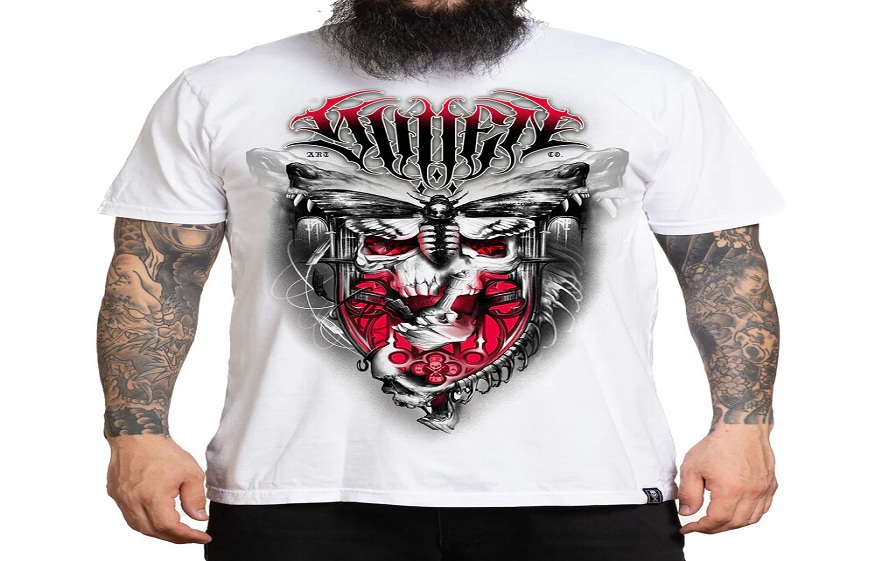
Fashion has always been a medium for self-expression, but few garments have managed to capture the raw energy of subculture quite like the Americana tattoo art tees. What once began as a niche item sold in the back of seaside ink shops or at underground rock concerts has transformed into a staple of high-end boutiques and everyday street style alike. The journey of the tattoo-inspired t-shirt is a testament to the blurring lines between traditional art and wearable media. Today, these shirts allow individuals to showcase the intricate aesthetics of body art without the permanent commitment of a needle, bridging the gap between the rebellious spirit of the past and the inclusive fashion landscape of the present.
From Subculture Symbols to Mainstream Staples
The roots of tattoo art in clothing can be traced back to the traditional American and Japanese styles that dominated the early twentieth century. Designs featuring bold eagles, nautical anchors, and vibrant cherry blossoms were originally reserved for the skin of sailors and outsiders. However, as the rebellious counterculture of the mid-century took hold, these symbols began to migrate onto fabric. The initial appeal was rooted in the “outlaw” status of tattooing; wearing a shirt that mimicked a flash sheet was a way to signal a connection to a world that was largely misunderstood by the general public.
Read More: Why a Rolex Watch Is the Ultimate Cost-Efficient Style Statement
As the decades progressed, the stigma surrounding tattoos began to fade, and the artistry involved gained legitimate recognition. Designers realized that the intricate linework and shaded gradients of a master tattooist translated beautifully to screen printing. This transition allowed the bold, graphic nature of tattoo flash to be appreciated as a formal art style. Suddenly, a t-shirt was no longer just a piece of casual wear; it became a canvas for showcasing a specific artistic heritage, whether it was the fine-line detail of black and grey realism or the heavy saturation of traditional Americana.
The Global Influence of Traditional Imagery
The globalization of the tattoo tee was fueled by a fascination with different cultural artistic traditions. Japanese Irezumi, with its flowing dragons and symbolic koi fish, became a massive influence on Western fashion. These designs offered a sense of movement and storytelling that was unlike anything else in the garment industry. Similarly, the geometric patterns of Polynesian tribal art and the religious iconography of Mexican Chicano style found their way onto the chests of fashion enthusiasts worldwide.
Read More: The Ultimate Guide to Starting Your Own Fashion Retail Business
This cross-cultural exchange allowed tattoo art tees to become a universal language. You could walk through the streets of Tokyo, London, or New York and see the same traditional motifs being interpreted through local fashion lenses. The appeal lies in the timelessness of the imagery. Unlike many fast-fashion trends that rely on fleeting slogans or pop-culture references, tattoo art is rooted in centuries of symbolism. This gives the clothing a sense of permanence and depth, making it a reliable choice for those who want their wardrobe to reflect a sense of history and craftsmanship.
Conclusion
The evolution of the tattoo art tee from a counterculture relic to a global fashion statement highlights a broader shift in how we perceive art. By taking the imagery off the skin and placing it onto cotton, designers have made the beauty of tattooing accessible to everyone. These shirts serve as a tribute to the artists who spent years perfecting their craft, and they allow the wearer to carry a piece of that rebellious, creative spirit wherever they go. As fashion continues to evolve, the tattoo tee remains a constant—a perfect blend of comfort, heritage, and uncompromising style.