Flat shoes lie. They promise comfort, then deliver blisters by noon. That cute pair from last week? Already shoved in the back of the closet. Meanwhile, feet keep hoping the next pair will be different. Spoiler: it won’t be unless shoppers learn what actually matters. The gap between marketing promises and reality stays wide until you know which features make the actual difference.
The Sole Makes or Breaks Everything
Paper-thin soles are a joke. Walk on anything harder than carpet and every step hurts. Pebbles feel like knives. Sidewalk cracks send shockwaves up your spine. By 2 PM, feet go numb out of self-defense. Thickness helps, but too much looks medical. Nobody wants shoes that scream “foot problems.” The sweet spot hides cushioning inside a normal-looking sole. Gel inserts work. Memory foam works better. Some brands figured out how to stack layers: soft against the foot, tough against the ground.
Read More :Why Every Man Needs a Collection of Graphic Long-Sleeved Tees
Here’s a test worth trying. Grab the heel and toe, then bend. Good shoes fold without fighting. Bad ones stay rigid like cardboard. Stiff soles make feet tired because they can’t roll naturally through each step. After eight hours, that stiffness turns into pure pain.
Materials That Work With Feet, Not Against Them
Plastic shoes died for good reason. They trapped sweat and never stretched. But synthetic doesn’t automatically mean bad anymore. New materials breathe. They give a little. Some even outperform cheap leather. Check the inside. Rough seams equal blisters, guaranteed. Bunchy fabric rubs. The lining should feel slick. Moisture-wicking works without socks. Antimicrobial treatment eliminates shoe odor.
Feet swell. It happens to everyone by afternoon. Rigid shoes that fit at breakfast become toe prisons by dinner. Smart designs include stretchy spots; maybe elastic gussets or knit panels. Just enough give to handle normal swelling without going sloppy.
Support in All the Right Places
Pancake-flat insoles hurt. Even people with flat feet need some arch shape. Not a huge bump, just a gentle rise that matches where feet naturally curve. Without it, muscles work overtime trying to maintain shape. That’s when burning starts. Heels sliding around inside shoes? That’s blister city. A decent heel cup holds everything steady. Not tight, just secure. Feet shouldn’t move independently from shoes. They should work together like dance partners.
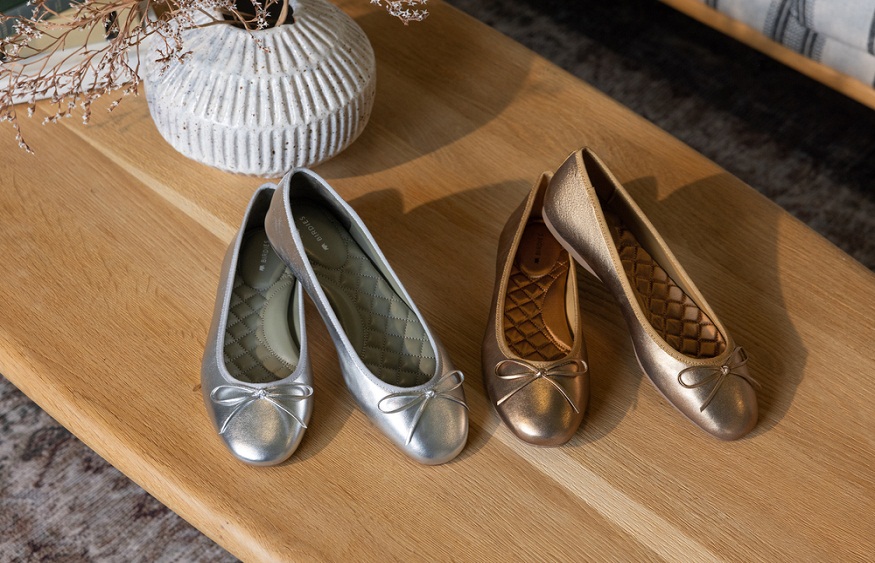
Ballet flats from Birdies cracked the code on this problem. They look delicate and feminine but pack serious support inside. The technology usually reserved for running shoes somehow got stuffed into pretty flats. Turns out suffering was never actually required for style.
Signs of Quality Construction
Stitching doesn’t lie. Crooked seams mean rushed production. Loose threads unravel within weeks. Glue blobs showing through? That’s just lazy. Quality shoes have tight, straight stitches with no visible goop holding things together. Balance matters more than people realize. Put them on and stand still. Weight should spread evenly across the whole foot.
Read More : Sewing classes for fashion enthusiasts: creating your own wardrobe
Toe shape is where companies often fail. Pointy might photograph well, but toes don’t come to points. They need space to spread out, especially the pinky toe that always gets crushed. Almond shapes work. Round works. Triangle tips? Hard pass.
Conclusion
Good flats aren’t mythical creatures. They exist, sitting on shelves right now, ready to deliver actual comfort alongside style. But finding them requires ignoring marketing nonsense and focusing on what counts. Real cushioning in the sole. Materials that breathe and move. Support where arches live. Construction that lasts longer than a season. These aren’t revolutionary concepts. They’re basic requirements that somehow got forgotten while everyone chased trends. Stop settling for shoes that hurt. Start demanding better. Feet shouldn’t suffer for fashion. That was always a false choice.