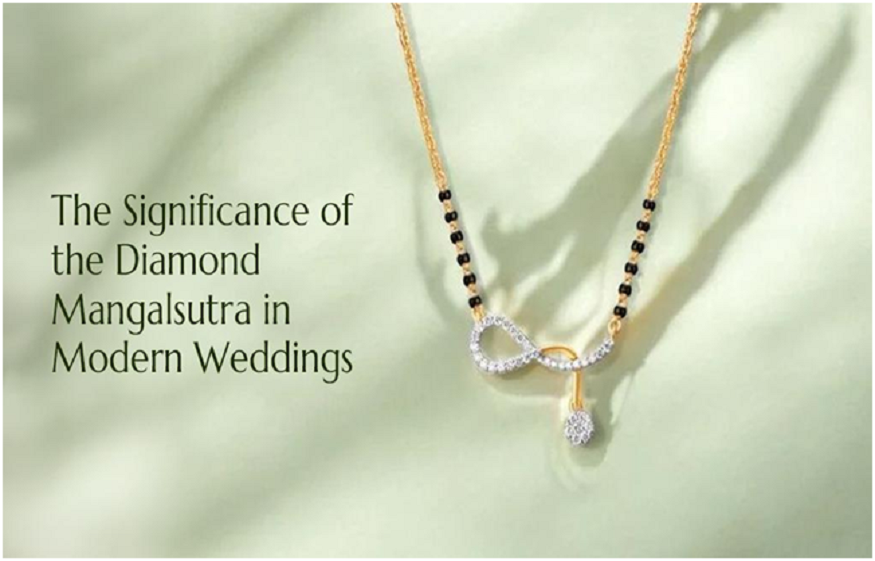
The diamond mangalsutra holds marital symbolism while fitting today’s wedding choices. Its role spans culture, ceremony, identity, wardrobe, and everyday wear. Brides and families use it to honour tradition and maintain a refined look across events and routine life. The article below explains what gives the piece its significance.
Cultural and Ritual Significance
The mangalsutra is a visible sign of marriage during the wedding and after it. Adding diamonds does not change the rite; it frames the symbol in a form that suits present tastes. The piece signals continuity with customs while sitting well with updated bridal styling. Its daily presence keeps the wedding vow close, which is why many couples retain the thread, beads, and pendant as a single, unified sign.
Symbolic Significance for the Couple
The diamond mangalsutra represents commitment that is meant to be worn, not stored. Diamonds contribute clarity and permanence to the expression, supporting the idea of steadiness within the relationship. The pendant rests near the heartline and becomes a regular reminder of the promise exchanged. This regular wear gives the symbol quite weight in both private and social settings.
Social and Public Significance
The piece communicates marital status in a clear, respectful way across workplaces, travel, and community occasions. Diamonds add crisp visibility under varied lighting, which supports the sign in photographs and on video. The result is recognition without the need for heavy styling. This helps maintain the symbol across settings that range from formal meetings to festive evenings.
Significance of Value Understanding
Shoppers refer to the diamond mangalsutra price or diamond mangalsutra cost while shortlisting. Knowing the drivers behind these terms strengthens decision-making. Diamond arrangement and setting influence appearance; metal tone and purity shape look and outlay; craft finishing supports comfort and durability; service and documentation provide assurance.
Understanding these factors protects the meaning of the piece by aligning design preference with a considered purchase, rather than chasing headlines or trends.
Craft and Ethical Significance
Bench work, stone setting, and bead alignment determine how comfortably the symbol lives on the wearer. Smooth backs, rounded edges, and secure clasps support daily use. Ethical sourcing policies, when provided by the seller, add reassurance that the sign of marriage sits on foundations that respect people and materials. This layer of care aligns with the solemnity of the vow the mangalsutra represents.
Regional Continuity and Urban Lifestyles
Across India, the mangalsutra appears in varied bead counts, pendant shapes, and chain patterns. Diamonds offer a shared surface that travels between regions without erasing local signatures.
Urban schedules favour pieces that move from morning to late evening; the diamond mangalsutra supports this by being light enough for regular wear while remaining ceremonial in spirit. This blend preserves regional identity and suits contemporary routines.
Durability and Daily Significance
The symbol matters most when it is worn often. Daily wear asks for balance, secure settings, and easy clasps. Pieces that resist snagging under scarves or collars maintain dignity in motion.
Simple care, gentle wiping, flat storage, periodic checks, and keep the piece in good condition. Durability protects sentiment, ensuring the mangalsutra stays present through anniversaries, family functions, and everyday milestones.
Photographic and Memory Significance
Wedding albums and videos capture the mangalsutra at close range. Diamonds reflect light in a way that keeps the pendant visible in portraits without overpowering other elements. Over time, those images travel across family histories.
A clear, centred pendant preserves the sign in those records, giving the couple and their families a stable visual of the vow.
Coordinated Significance With Other Pieces
The mangalsutra sits at the heart of a bridal suite. Bangles, earrings, and a diamond necklace set can be tuned to support it. Repeating gentle curves or angular lines helps the eye read the ensemble as one story.
Keeping the mangalsutra as the anchor preserves its priority and reduces styling conflict. This hierarchy respects the ritual role while allowing variety in event dressing.
Intergenerational Significance
The piece often moves through life stages, wedding week, first festivals, workdays, family events, and may be handed forward. Diamonds and careful construction help the mangalsutra stand the test of time.
When stored and serviced well, it carries memories while staying wearable for the next wearer. The sign thus becomes a link between generations, not just a ceremonial ornament.
Conclusion
The diamond mangalsutra holds its place in modern weddings because it keeps the marital sign visible, wearable, and dignified across settings. Diamond mangalsutra designs translate tradition into forms that suit current wardrobes. Length and form, including a diamond long mangalsutra, keep the symbol readable with varied necklines and drapes.
Craft quality, comfort, and simple care sustain daily wear. Together, these elements define the significance of the diamond mangalsutra today, rooted in ritual, ready for everyday life.
Ambien Discount
Klonopin For Sale Online
Order Xanax No Prescription
Tramadol Online Purchase
Ambien Without Prescription
Zolpidem Online Order
How To Buy Clonazepam Online
Prednisone Cheap
Buy Clonazepam Without Prescription